
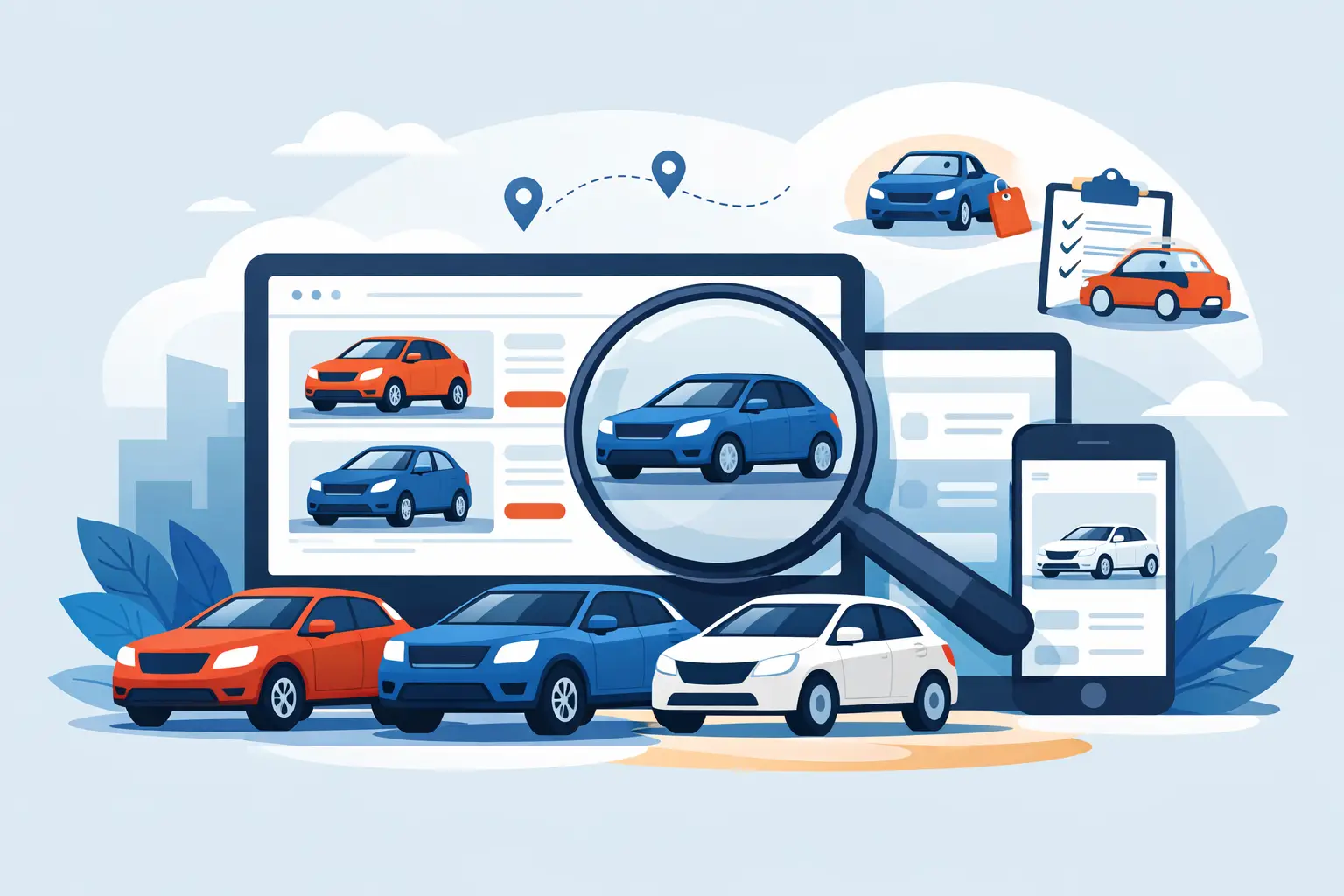
If you search the best websites for used cars without a plan, you can lose hours comparing the same vehicles across multiple tabs. The better approach is to match the site to the job. Some platforms are better for local private-party deals. Others are stronger for dealer inventory, pricing tools, or home delivery. Knowing that upfront saves time and cuts noise.
The used car market is fragmented on purpose. Listings are spread across dealer marketplaces, private seller platforms, brand-backed used programs, and automotive research sites. That means there is no single best site for every buyer. There are, however, a handful of platforms that consistently make the process easier depending on what you need.
How to judge the best websites for used cars
A used car site is only useful if it helps you move from browsing to decision-making with less friction. That usually comes down to inventory depth, search filters, pricing visibility, vehicle history access, and how clearly the seller information is presented.
Trust matters too, but it shows up differently across platforms. A dealer-focused marketplace may offer more standardized listings and financing paths. A private-sale site may offer better prices, but it usually requires more screening, more communication, and more risk management on your side.
For most shoppers, the most efficient path is not picking one site and staying there. It is using two or three strategically. One for broad market pricing, one for inventory, and one for private-sale opportunities if you are comfortable doing more homework.
10 best websites for used cars
Autotrader
Autotrader remains one of the most complete marketplaces for used car shoppers in the US. Its main strength is scale. You can search a wide mix of dealer and private-party listings, apply detailed filters, and quickly compare mileage, price, features, and seller type.
It is especially useful early in the process when you are still narrowing down options. The interface makes broad searching easy, and the volume of listings gives you a solid view of the market. The trade-off is that large inventory can also mean duplicate or near-identical listings from dealers syndicating vehicles across channels.
Cars.com
Cars.com is strong for shoppers who want a clean search experience and a dealer-heavy inventory base. It does a good job surfacing vehicle details, local availability, and financing-related information without making the process feel cluttered.
It is often a practical choice if you want to compare used cars at dealerships near you and move toward a test drive quickly. If your goal is a private-party bargain, though, it is not usually the first place to focus.
CarGurus
CarGurus is built around pricing analysis, and that is why many buyers start there. Its deal ratings can help you spot whether a listing looks overpriced, fair, or competitive relative to market trends.
That pricing lens is useful, but it should not be the only factor. A low-priced vehicle may have accident history, weak maintenance records, high reconditioning needs, or fees that show up later. CarGurus works best when you use the deal score as a first screen, not a final answer.
CarMax
CarMax is less of a marketplace and more of a retail platform with its own used inventory. That makes the experience more standardized. Pricing is generally fixed, listings are consistent, and the buying process is designed for shoppers who want fewer variables.
The downside is simple: convenience can cost more. If your top priority is reducing negotiation, paperwork friction, and uncertainty, CarMax is worth a look. If your top priority is finding the lowest possible price, you may find stronger value elsewhere.
Carvana
Carvana appeals to online-first shoppers who want to handle most of the transaction digitally. Search, financing, trade-in, and delivery options are central to the experience, which can save time if you prefer not to spend a weekend visiting multiple lots.
Still, this model depends heavily on accurate listing details, inspection confidence, and return policy comfort. For some buyers, that convenience is a major advantage. For others, not seeing a car in person before committing feels like too much of a compromise.
TrueCar
TrueCar works well if you want structured pricing visibility and dealer-based offers. It is useful for comparing what participating dealers are listing and getting a more transparent sense of price positioning.
Its value depends on your market and the dealers participating in your area. In some zip codes, inventory is broad and competitive. In others, it can feel narrower than larger marketplaces. It is a good supporting tool, even if it is not your only search destination.
Facebook Marketplace
Facebook Marketplace is one of the most active places to find private-party used cars locally. It is fast, familiar, and often full of listings that appear before they hit larger automotive platforms.
It can also be messy. Listing quality varies, seller responsiveness is inconsistent, and scams are a real factor. If you use Marketplace, treat it like a lead source, not a trust signal. Verify the VIN, inspect the title carefully, and never skip an independent pre-purchase inspection.
Craigslist
Craigslist still matters in many local markets, especially for budget cars and direct private-party deals. It is simple, location-based, and often useful if you are shopping under a tighter budget or looking for older vehicles.
The trade-off is the same one it has always had: less structure. You will generally need to do more manual filtering, more fraud screening, and more seller vetting. For experienced buyers, that may be fine. For first-time shoppers, it can be inefficient.
Edmunds
Edmunds is not just a listings site. It is also a strong research tool. That matters because buying the right used car starts before the listing search. Reliability trends, ownership costs, expert reviews, and market pricing context can prevent bad shortlists.
If you already know the exact model you want, Edmunds may play a smaller role. If you are still choosing between, say, a midsize sedan and a compact SUV, it becomes much more useful. It helps you avoid shopping blind.
Certified Pre-Owned brand sites
Brand-certified used programs from automakers like Toyota, Honda, Ford, and others can be some of the best websites for used cars if your priority is lower risk. These sites usually focus on newer used vehicles that have passed brand-specific inspections and include limited warranty support.
That added screening can justify a higher price for some buyers. It depends on your budget and risk tolerance. If you need a dependable daily driver and want fewer surprises, certified inventory deserves attention. If you are buying on price alone, it may sit outside your target range.
Which used car site is best for your situation
If you want the widest market view, start with Autotrader or Cars.com. If pricing confidence matters most, CarGurus and TrueCar are strong early stops. If you want a more controlled online transaction, CarMax or Carvana fit better.
If your goal is finding lower-priced private listings, Facebook Marketplace and Craigslist can uncover deals that dealer platforms will not. Just expect more work. You will need patience, basic fraud awareness, and a willingness to verify everything yourself.
If you are still deciding what to buy, research-led platforms like Edmunds are often the most useful first click. And if you want a newer used car with some warranty support, certified brand sites can narrow the field quickly.
What to check before you contact any seller
No matter which site you use, the listing itself is only the start. Look for a complete VIN, clear photos, actual mileage, ownership history details, and whether the title is clean. If any of that is missing, assume you need more verification before moving forward.
It also helps to compare the same vehicle across multiple sources. A car may appear on more than one platform with slightly different details, pricing, or dealer fees. Cross-checking can expose inconsistencies early. For shoppers trying to reduce that search friction, a connector platform like AutosLinks can help organize where to look next without turning the process into a maze.
Financing and fees deserve extra attention. A competitive sticker price does not always mean a better deal if the dealer adds document fees, add-ons, or restrictive financing terms. The best website is not just the one with the cheapest listing. It is the one that gets you to the clearest deal.
A good used car search is less about finding one perfect site and more about using the right site at the right moment. Start broad, narrow with data, and verify everything before money changes hands. That approach is slower than impulse buying, but much faster than fixing a bad purchase later.